New York City, NY, May 30, 2026 (GLOBE NEWSWIRE) -- Discover the Jelly Tide 2026. Learn about ingredients, scientific evidence, benefits, safety, consumer feedback, and expert analysis.
By Investigative Desk | Special Report | 2026
The modern wellness industry has produced countless viral sensations. Every year, a new product emerges promising a simpler path to better health, improved energy, weight management, or enhanced wellbeing. Few, however, have generated the level of online attention witnessed by Jelly Tide during the first half of 2026.
Jelly Tide The Rapid Rise of a Viral Wellness
Across social media platforms, influencer channels, sponsored advertisements, affiliate marketing campaigns, and health-focused discussion groups, Jelly Tide has become one of the most visible names in the increasingly crowded supplement marketplace. Supporters describe it as a convenient addition to daily wellness routines. Promotional materials portray it as a breakthrough approach to supporting metabolism and weight-management goals.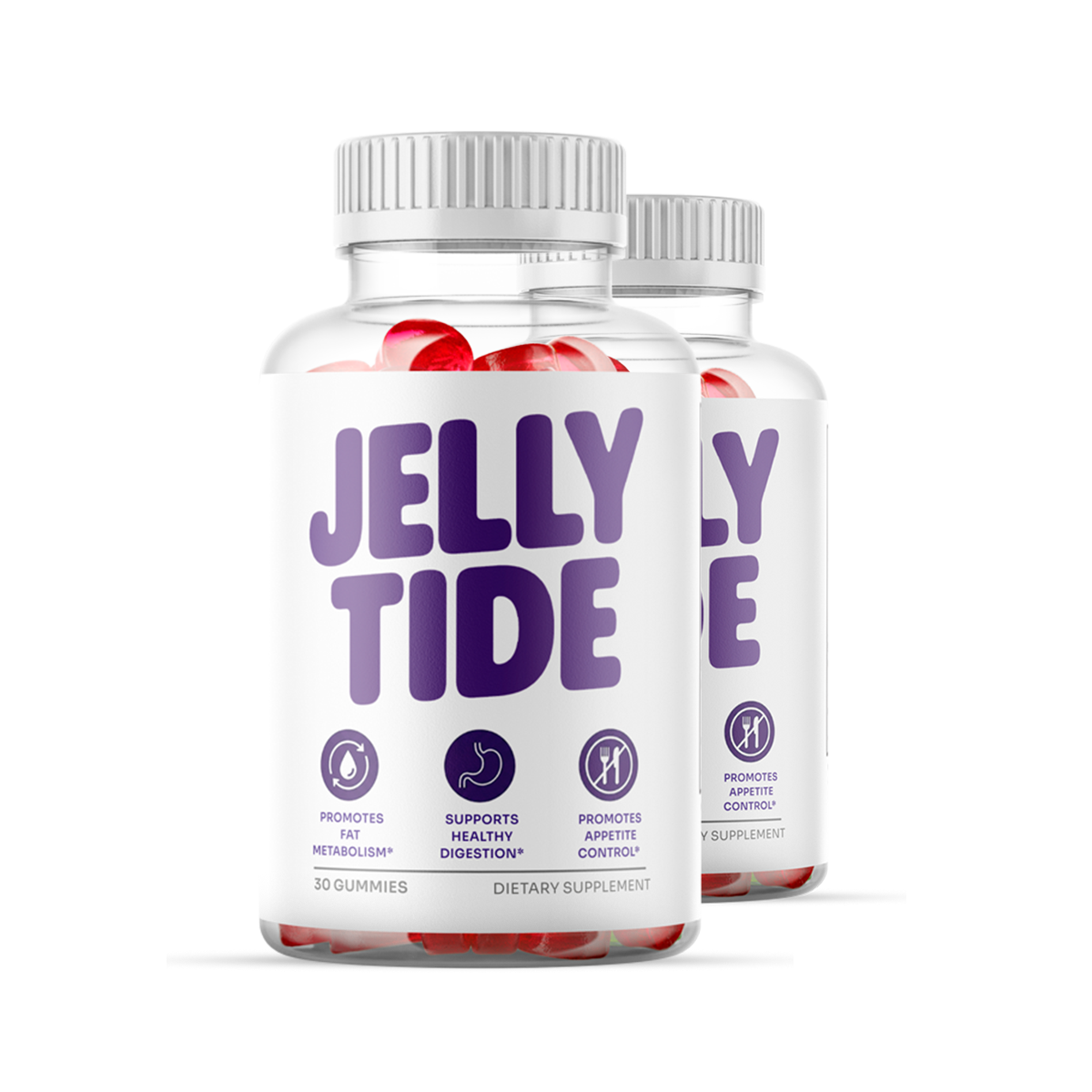
Yet as consumer interest has accelerated, so too have questions.
What exactly is Jelly Tide? How strong is the scientific evidence supporting its claims? Are consumers receiving accurate information about expected results? How do marketing practices compare with available research? And what does the rise of Jelly Tide reveal about the broader state of the global wellness industry in 2026?
This investigation examines publicly available information, expert commentary, industry trends, consumer concerns, and the larger forces driving demand for products like Jelly Tide.
A Product Built for the Social Media Era
To understand Jelly Tide's rapid growth, it is necessary to examine the environment in which it emerged.
The wellness market has undergone a dramatic transformation over the past decade. Traditional advertising has increasingly been replaced by digital influence. Consumers no longer discover products primarily through television commercials or magazine advertisements. Instead, recommendations now arrive through short-form videos, lifestyle content creators, online communities, and algorithm-driven feeds.
In this environment, convenience often matters as much as effectiveness.
Products that fit easily into daily routines enjoy a significant advantage. Supplements that can be consumed quickly, require minimal preparation, and align with popular health narratives frequently gain traction faster than more traditional alternatives.
Jelly Tide appears to have benefited from this shift.
Market observers note that its branding combines several elements currently popular among health-conscious consumers: convenience, simplicity, metabolic support, and ingredients that have already achieved widespread public recognition.
Unlike traditional supplement capsules, Jelly Tide is presented in gummy form, making it more approachable for many consumers. Marketing materials emphasize ease of use and accessibility, positioning the product as an uncomplicated addition to everyday wellness practices.
The strategy has proven effective.
Within months, Jelly Tide established a substantial online presence, attracting both enthusiastic supporters and skeptical critics.
The Ingredients at the Center of the Conversation
Much of the public discussion surrounding Jelly Tide focuses on its ingredients.
The product's formulation reportedly centers on compounds commonly associated with metabolic health and weight-management discussions.
Among the most frequently highlighted ingredients is apple cider vinegar, a substance that has enjoyed periodic popularity within wellness circles for decades.
Apple cider vinegar contains acetic acid, which researchers have studied for potential effects related to appetite regulation, digestion, and blood sugar management.
Some studies have suggested modest benefits under specific conditions. Others have found limited or inconsistent evidence.
Nutrition researchers generally agree that while apple cider vinegar may offer certain health-related advantages, it should not be viewed as a standalone solution for significant weight loss.
Another key component commonly associated with products in this category is beta-hydroxybutyrate, often referred to as BHB.
BHB is a ketone body naturally produced by the body during periods of fasting or carbohydrate restriction. Exogenous ketone supplements seek to introduce ketones directly into the system without requiring users to follow strict ketogenic diets.
Supporters argue that such ingredients may support energy metabolism and help users maintain wellness goals.
However, experts emphasize an important distinction frequently overlooked in marketing discussions.
Research supporting individual ingredients does not automatically validate a finished commercial product.
A supplement may contain ingredients that have been studied independently while lacking clinical trials evaluating the complete formulation itself.
This distinction remains central to many ongoing discussions about wellness products across the industry.
JellyTide Ingredients: Scientific Explanation
JellyTide's formula is built around two primary active components—Apple Cider Vinegar (ACV) and Beta-Hydroxybutyrate (BHB) salts—along with supporting ingredients that improve stability, texture, and taste. The scientific evidence is stronger for some mechanisms than for others, and much of the research is ingredient-based rather than specific to JellyTide itself.
1. Apple Cider Vinegar (ACV)
What it is
Apple cider vinegar contains acetic acid, the main bioactive compound responsible for most of its studied effects.
How it works biologically
A. Delayed Gastric Emptying
Acetic acid may slow the rate at which food leaves the stomach. When food remains in the stomach longer, feelings of fullness can last longer, potentially reducing hunger between meals.
B. Blood Sugar Regulation
Research suggests acetic acid may reduce the speed at which carbohydrates are absorbed, helping moderate post-meal blood glucose spikes. More stable blood sugar levels may reduce hunger and cravings in some individuals.
C. Appetite Signaling
Some studies indicate vinegar consumption may modestly increase satiety signals, potentially leading to reduced calorie intake over time. However, effects are generally small rather than dramatic.
Scientific Verdict
ACV has plausible biological mechanisms and some supporting studies, but current evidence for substantial weight loss remains limited and inconsistent. Most positive studies used liquid vinegar and often at doses higher than those typically found in gummies.
2. BHB Salts (Calcium BHB, Magnesium BHB, Sodium BHB)
What is BHB?
Beta-Hydroxybutyrate (BHB) is one of the body's natural ketone bodies. During fasting or carbohydrate restriction, the liver produces BHB as an alternative fuel source.
How it works biologically
A. Alternative Cellular Energy
BHB can be used by muscles, the brain, and other tissues for energy when glucose availability is reduced. This is why ketones are often associated with ketogenic diets.
B. Metabolic Flexibility
The presence of ketones may help the body switch between glucose and fat-derived fuels more efficiently, a concept known as metabolic flexibility.
C. Potential Appetite Effects
Some studies involving concentrated ketone supplements have reported temporary reductions in the hunger hormone ghrelin. However, these studies often used ketone esters rather than BHB salts and at much higher doses than those found in gummies.
Why the Minerals Matter
Calcium BHB
Provides BHB while also supplying calcium, which supports muscle contraction, nerve signaling, and bone health.
Magnesium BHB
Magnesium is involved in more than 300 enzymatic reactions, including energy production (ATP synthesis), muscle function, and nerve activity.
Sodium BHB
Helps maintain fluid balance, nerve transmission, and electrolyte stability, particularly when dietary carbohydrate intake is reduced.
Scientific Verdict
BHB has a clear biochemical role as an energy molecule. However, evidence that small-dose BHB gummies produce significant fat loss in healthy adults remains limited.
3. Apple Pectin
What it is
Apple pectin is a soluble dietary fiber extracted from apples. It also serves as the gelling agent that gives the gummy its structure.
Scientific Function
- Absorbs water and forms a gel in the digestive tract.
- Can slow digestion and nutrient absorption.
- May contribute modestly to satiety.
- Supports healthy gut function by acting as a fermentable fiber.
Scientific Verdict
Useful as a fiber source, but likely contributes only a small amount due to the low quantity present in a gummy serving.
4. Beet Root Powder
What it is
Beet root naturally contains dietary nitrates.
How it works
Dietary nitrates can be converted into nitric oxide, a signaling molecule that helps blood vessels relax and widen.
Potential effects include:
- Improved blood flow
- Enhanced oxygen delivery
- Better exercise efficiency
- Mild support for cardiovascular function
Scientific Verdict
The benefits of beet root are dose-dependent. The amount used in gummy supplements is often far below doses studied in sports-performance research.
5. Citric Acid and Sodium Citrate
These ingredients are primarily technological rather than metabolic.
Functions
- Control acidity (pH)
- Improve flavor
- Enhance stability
- Help preserve freshness
They are not included for weight loss or metabolic effects.
6. Corn Syrup and Cane Sugar
These ingredients provide sweetness and texture.
Scientific Role
- Improve taste
- Maintain gummy consistency
- Increase consumer acceptance
Interestingly, the presence of sugars means JellyTide is not a strict ketogenic product despite containing BHB ketones. This is one reason scientists caution against assuming BHB gummies create the same metabolic state as a ketogenic diet.
Scientific Summary Table
| Ingredient | Main Active Compound | Primary Scientific Function |
| Apple Cider Vinegar | Acetic Acid | Satiety, digestion, blood sugar regulation |
| Calcium BHB | Beta-Hydroxybutyrate | Alternative energy source, ketone support |
| Magnesium BHB | Beta-Hydroxybutyrate + Magnesium | Energy metabolism, muscle function |
| Sodium BHB | Beta-Hydroxybutyrate + Sodium | Ketone delivery, electrolyte support |
| Apple Pectin | Soluble Fiber | Digestive support, mild satiety |
| Beet Root Powder | Nitrates | Nitric oxide production, circulation support |
| Citric Acid | Organic Acid | Flavor and preservation |
| Sodium Citrate | Buffering Agent | pH regulation and stability |
| Corn Syrup & Cane Sugar | Carbohydrates | Sweetness and texture |
Bottom Line
From a biochemical perspective, JellyTide's formula is built on ACV for appetite and digestion support plus BHB ketones for alternative energy metabolism. These mechanisms are scientifically plausible, but current evidence does not establish that the finished JellyTide product itself produces substantial weight loss. Most available research supports only modest effects at the ingredient level, and the product has not been independently studied in large clinical trials as a finished formulation.
The Marketing Machine
One reason Jelly Tide has attracted attention is the sophistication of its marketing ecosystem.
Unlike traditional consumer products that rely primarily on retail distribution, modern wellness brands often operate through highly integrated digital campaigns.
Affiliate networks play a significant role.
These systems allow marketers, content creators, bloggers, and social media personalities to earn commissions from product referrals. As a result, a large volume of online content may exist promoting a product even when it originates from independent affiliates rather than the manufacturer itself.
Investigators examining the digital footprint of Jelly Tide observed extensive promotional activity across multiple online channels.
Many advertisements focus on themes that resonate strongly with consumers:
- Busy lifestyles.
- Difficulty maintaining healthy routines.
- Frustration with traditional dieting methods.
- Desire for convenient wellness solutions.
- Interest in natural ingredients.
Marketing experts note that such messaging is common throughout the supplement industry because it addresses widely shared consumer challenges.
The issue, however, arises when promotional claims begin to outpace available evidence.
Consumer advocates caution that shoppers should carefully distinguish between promotional language and scientifically established outcomes.
This advice is particularly relevant in industries where individual experiences may vary substantially.
What Consumers Are Saying
A review of public discussions reveals a wide range of consumer experiences.
Some users report satisfaction with their purchases.
Others describe minimal or no noticeable changes.
Such variability is not unusual.
Healthcare professionals frequently note that responses to supplements can differ dramatically based on factors including:
- Diet.
- Exercise habits.
- Sleep quality.
- Age.
- Existing health conditions.
- Medication use.
- Genetic differences.
As a result, anecdotal experiences alone rarely provide definitive evidence regarding product effectiveness.
In today's digital marketplace, purchasing decisions are often shaped less by formal scientific literature and more by testimonials, ratings, and social proof.
This dynamic creates challenges for consumers attempting to separate genuine experiences from marketing-driven narratives.
Experts recommend approaching both positive and negative testimonials with caution.
Individual experiences can provide useful context but should not be treated as scientific proof.
The Science Gap
Perhaps the most significant issue surrounding Jelly Tide—and many products like it—is what researchers sometimes call the "science gap."
The science gap emerges when consumer expectations are built upon broad scientific concepts rather than direct evidence supporting a specific product.
For example, studies may investigate:
- Apple cider vinegar.
- Ketone metabolism.
- Dietary interventions.
- Weight-management strategies.
However, those studies may not evaluate the exact product consumers are purchasing.
Researchers interviewed for this report repeatedly emphasized the importance of examining whether a finished supplement has undergone independent clinical testing.
Such testing can provide stronger evidence regarding:
- Effectiveness.
- Safety.
- Dosage accuracy.
- Long-term outcomes.
Without product-specific studies, consumers are often left relying on indirect evidence.
That does not necessarily mean a product is ineffective.
It simply means certainty is reduced.
In an industry where marketing frequently highlights scientific terminology, this distinction becomes particularly important.
The Business of Wellness
The rise of Jelly Tide reflects broader economic forces shaping the wellness sector.
Industry analysts estimate that global wellness spending continues to grow at a remarkable pace.
Several trends contribute to this expansion:
Increasing health awareness.
Growing interest in preventive care.
Rising rates of obesity and metabolic disorders.
Demand for convenient lifestyle solutions.
Expansion of e-commerce platforms.
The result is a marketplace where new products can achieve significant visibility within remarkably short periods.
Some analysts compare the modern supplement industry to the technology startup sector.
Rapid growth is often prioritized.
Brand recognition becomes critical.
Digital visibility can determine success.
In this environment, companies face intense pressure to differentiate themselves from competitors.
This pressure can sometimes encourage increasingly ambitious marketing narratives.
Regulatory Challenges
One question frequently raised by consumers concerns regulation.
How closely are supplements monitored?
The answer varies significantly depending on jurisdiction.
In many countries, dietary supplements operate under regulatory frameworks that differ from those governing pharmaceutical drugs.
Generally speaking, supplements are not required to undergo the same extensive pre-market approval processes demanded of prescription medications.
This distinction often surprises consumers.
Many assume that products available for purchase have undergone rigorous effectiveness testing.
In reality, regulatory requirements frequently focus more heavily on safety, labeling compliance, and manufacturing standards than on proving efficacy before sale.
Regulators continue to monitor the industry, particularly when concerns arise regarding advertising claims or product quality.
However, experts argue that consumers should not assume that market availability automatically constitutes proof of effectiveness.
The Influence Economy
Another notable feature of the Jelly Tide phenomenon is its relationship with influencer marketing.
Influencer-driven commerce has transformed how wellness products reach consumers.
Unlike traditional celebrity endorsements, influencer recommendations often appear more personal and relatable.
Followers may view creators as trusted peers rather than advertisers.
This perception can significantly increase persuasive power.
Yet critics argue that the distinction between authentic recommendations and paid promotions is not always clear.
Consumer protection advocates have repeatedly called for stronger transparency regarding sponsorship arrangements, affiliate relationships, and financial incentives.
The challenge extends beyond any single product.
It reflects a structural issue affecting the broader digital economy.
As wellness marketing increasingly merges with entertainment content, distinguishing information from advertising becomes more difficult.
The Psychology Behind the Demand
The success of products like Jelly Tide cannot be explained solely through marketing.
Consumer psychology plays an important role.
Modern life presents numerous challenges:
Time constraints.
Stress.
Sedentary work environments.
Complex nutritional choices.
Conflicting health advice.
Many individuals seek solutions that feel manageable.
A gummy supplement requiring only a few seconds per day can appear attractive compared with more demanding lifestyle interventions.
Behavioral scientists note that convenience often drives consumer decisions even when more effective alternatives exist.
This does not imply irrationality.
Rather, it reflects practical realities.
People frequently choose options that fit their lives.
The popularity of Jelly Tide may therefore reveal as much about consumer needs as it does about the product itself.
The Counterfeit Risk
As demand increases, another concern emerges: counterfeiting.
Popular wellness products often attract unauthorized sellers seeking to profit from brand recognition.
Counterfeit supplements present several risks.
Consumers may receive products containing:
Incorrect ingredients.
Unknown substances.
Improper dosages.
Substandard manufacturing quality.
Industry experts recommend purchasing products through verified channels whenever possible.
Authentication measures, transparent sourcing information, and clear customer-service policies can help reduce risk.
The issue underscores a broader challenge facing rapidly growing brands in the digital era.
Success often attracts imitation.
Healthcare Professionals Urge Caution
Medical experts interviewed for this report consistently emphasized moderation.
Few dismissed supplements entirely.
Instead, most advocated realistic expectations.
Doctors and nutrition specialists repeatedly highlighted several points:
No supplement replaces a balanced diet.
Physical activity remains essential.
Sleep quality significantly influences metabolic health.
Stress management matters.
Long-term lifestyle habits generally produce greater impact than any individual product.
This perspective may appear less exciting than promotional advertisements.
However, it reflects the current scientific consensus.
Supplements may support broader wellness efforts.
They are unlikely to eliminate the need for fundamental health behaviors.
The Transparency Question
Transparency remains one of the most important issues in consumer health.
Experts argue that responsible companies should strive to provide clear information regarding:
Ingredients.
Dosages.
Manufacturing standards.
Scientific support.
Refund policies.
Potential limitations.
Consumers increasingly demand such transparency.
The trend reflects a broader cultural shift toward accountability and informed decision-making.
Brands that successfully meet these expectations may enjoy greater long-term credibility.
Those that fail to do so risk reputational damage.
A Marketplace Flooded With Promises
The Jelly Tide story exists within a marketplace saturated with competing claims.
Consumers encounter daily promises involving:
Rapid weight loss.
Enhanced metabolism.
Increased energy.
Improved focus.
Accelerated recovery.
Better overall health.
The sheer volume of messaging can make evaluation difficult.
Experts recommend asking several key questions:
What evidence supports the claim?
Has the finished product been tested?
Are expectations realistic?
Who benefits financially from the recommendation?
What do independent experts say?
These questions help consumers navigate increasingly complex health marketplaces.
Looking Beyond the Product
Perhaps the most revealing aspect of the Jelly Tide phenomenon is that it extends beyond the product itself.
The story reflects larger societal trends.
Growing health concerns.
Digital marketing evolution.
Influencer culture.
Consumer demand for convenience.
Expanding wellness expenditures.
Regulatory challenges.
Scientific literacy.
In many ways, Jelly Tide serves as a case study in how modern wellness products achieve prominence.
Its rise demonstrates the power of digital visibility.
Its controversies illustrate the importance of critical evaluation.
Its popularity reveals persistent consumer demand for accessible health solutions.
JELLY TIDE: FREQUENTLY ASKED QUESTIONS (FAQ)
1. What is Jelly Tide?
Jelly Tide is a wellness supplement marketed primarily in gummy form. Promotional materials generally position it as a product intended to support metabolism, weight-management goals, and overall wellness routines.
2. Why has Jelly Tide attracted attention in 2026?
The product gained significant visibility through social media marketing, influencer promotions, affiliate advertising campaigns, and online wellness communities. Its rapid rise has sparked both consumer interest and scrutiny.
3. What ingredients are commonly associated with Jelly Tide?
Publicly available information indicates that Jelly Tide products are often marketed around ingredients such as apple cider vinegar (ACV) and beta-hydroxybutyrate (BHB) compounds. Consumers should always review the official product label for the most current ingredient information.
4. Does Jelly Tide guarantee weight loss?
No. No dietary supplement can legitimately guarantee weight loss for every user. Individual results vary depending on factors such as diet, physical activity, age, metabolism, lifestyle habits, and overall health.
5. Is there scientific evidence supporting the ingredients?
Some ingredients commonly associated with products like Jelly Tide have been studied in scientific research. However, evidence regarding individual ingredients should not automatically be interpreted as proof that a finished commercial product will produce specific results.
6. Has Jelly Tide itself been clinically tested?
Consumers should review official company information and independent research sources to determine whether product-specific clinical testing has been conducted. Product-level studies provide stronger evidence than ingredient-only research.
7. Are consumer reviews reliable?
Consumer reviews can provide useful insight into personal experiences, but they should not be treated as scientific evidence. Experiences may vary widely between individuals.
8. Why do some users report positive results while others do not?
Health outcomes are influenced by many factors, including:
- Nutrition
- Exercise habits
- Sleep quality
- Stress levels
- Existing medical conditions
- Individual metabolism
As a result, outcomes may differ substantially from person to person.
9. Is Jelly Tide a replacement for diet and exercise?
Healthcare professionals generally advise that supplements should not be considered substitutes for balanced nutrition, regular physical activity, adequate sleep, and long-term healthy habits.
10. Are there potential side effects?
Any supplement may cause side effects in some individuals. Potential reactions can depend on ingredients, dosage, allergies, medications, and personal health conditions. Consumers should review product information carefully and consult a healthcare professional when appropriate.
11. Can everyone take Jelly Tide?
Not necessarily. Pregnant individuals, nursing mothers, people with medical conditions, and those taking prescription medications should seek professional medical advice before starting any supplement.
12. Why are experts urging caution?
Experts generally recommend caution because marketing claims and scientific evidence do not always align perfectly. They encourage consumers to verify claims, review available research, and maintain realistic expectations.
13. How can consumers evaluate wellness products responsibly?
Experts recommend asking:
- What evidence supports the claims?
- Has the final product been independently tested?
- Are the claims realistic?
- Is the information coming from a paid promoter?
- What do healthcare professionals say?
14. Is influencer marketing a reliable source of health information?
Influencers can provide personal experiences, but consumers should remember that some content may be sponsored or commission-based. Independent verification is always advisable.
15. What is the biggest takeaway from the Jelly Tide investigation?
The Jelly Tide story highlights the importance of informed consumer decision-making. In a marketplace filled with wellness products, marketing claims, and social media endorsements, careful evaluation remains essential before purchasing any supplement.
Conclusion: What Comes Next?
As 2026 progresses, Jelly Tide remains a prominent name in online wellness discussions.
Supporters continue to advocate for the product.
Skeptics continue to question the strength of available evidence.
Researchers continue examining the science behind related ingredients.
Regulators continue monitoring health-related advertising practices.
Consumers continue searching for solutions that fit increasingly demanding lives.
The ultimate legacy of Jelly Tide remains uncertain.
It may become a lasting fixture within the wellness marketplace.
It may eventually fade as newer trends emerge.
Regardless of its future, the conversation surrounding Jelly Tide highlights an enduring truth about the modern health economy.
Consumers face an unprecedented abundance of choices—and an equally unprecedented responsibility to evaluate them carefully.
In an era where advertising, social influence, and scientific terminology frequently intersect, informed decision-making remains one of the most valuable tools available.
For now, the Jelly Tide story is still unfolding.
And as the wellness industry continues to evolve, it is a story likely to be watched closely by consumers, healthcare professionals, regulators, and marketers alike.
Attachment

Email Support: contact@customercs.com
Number Support, +1 (507) 448-8190